
Digital Nomad Lifestyle Set for Mainstream Boom in 2026
The rise of remote work is transforming global travel, with digital nomadism projected to become a mainstream reality by 2026, offering new opportunities for long-stay accommodations and seamless connectivity.

The Remote Revolution Accelerates
The digital nomad lifestyle, once a niche concept, is poised to enter the mainstream by 2026. This shift is driven by a confluence of factors, including the continued adoption of remote work models and a growing desire for location independence. For remote workers, this evolution means more tailored services, from improved accommodation options to better mobile connectivity, making global work more accessible than ever before.
Here's why this matters for travelers: As digital nomadism gains traction, the infrastructure supporting this lifestyle is rapidly expanding. Governments, hospitality providers, and technology companies are all recognizing the economic potential, leading to a more robust and supportive ecosystem for those who choose to work from anywhere.
Global Adoption and Economic Impact
The trend towards remote work is not slowing down. A significant number of companies are embracing hybrid or fully remote models, fueling the growth of the digital nomad community. Projections indicate that by 2026, a substantial portion of the global workforce will operate remotely, making the digital nomad lifestyle a viable option for many more professionals. This widespread adoption is creating new economic opportunities for host countries.
Kenya, for example, actively seeks to attract digital nomads to boost its tourism sector. The nation views remote workers as a key demographic to fuel its next tourism boom, offering extended stays and contributing to local economies beyond traditional short-term tourism. allwork.space
Evolving Accommodation and Services
As the digital nomad population grows, so does the demand for specialized accommodation. Traditional hotels are adapting, and co-living spaces designed for remote workers are becoming more prevalent. These accommodations often include dedicated workspaces, reliable internet, and community-building events, catering specifically to the needs of long-term guests who are also working professionals.
Beyond housing, the service industry is also evolving. Insurance providers are developing policies tailored for international remote workers, covering everything from health emergencies to equipment theft. Furthermore, banking and financial services are increasingly offering solutions that simplify cross-border transactions and tax compliance for individuals with no fixed address.
Connectivity: The Lifeline of the Nomad
Reliable and affordable mobile connectivity is paramount for digital nomads. The ability to stay connected, attend virtual meetings, and access cloud-based tools from anywhere in the world is non-negotiable. As the market expands, competition among mobile providers is driving innovations in global data plans and eSIM technology, making it easier for nomads to switch networks and manage their connectivity needs without physical SIM cards.
ConnectSIM's regional data plans, such as the North America 20GB 30Days plan, exemplify this trend. Priced at $44.99 USD, it offers 20 GB of data valid for 30 days, providing ample connectivity for remote workers traveling across the region. This type of plan ensures that professionals can maintain productivity whether they are in a bustling city or a more remote location.
The Future of Work and Travel
The mainstreaming of digital nomadism by 2026 signifies a permanent shift in how people approach work and travel. This change is not just about individual freedom; it's about a global re-imagining of economic activity and cultural exchange. Companies that embrace remote work models are expanding their talent pools, and countries that welcome digital nomads are diversifying their economies. The trend suggests a future where professional life and global exploration are increasingly intertwined, offering unprecedented flexibility and opportunities for a growing segment of the workforce. splashtop.com
Preparing for the Nomad Surge
For remote workers considering this lifestyle, preparation is key. Researching visa requirements for long-term stays, understanding local regulations, and securing appropriate insurance are crucial steps. The growing ecosystem of support services, from online communities to dedicated travel agencies, makes the transition smoother than ever before. As the world becomes more accustomed to this way of working, the resources available to digital nomads will only continue to expand and improve.
A New Era for Global Professionals
The mainstreaming of the digital nomad lifestyle represents a significant evolution in the world of work and travel. With enhanced infrastructure, specialized services, and robust connectivity options, working from anywhere is becoming a practical and attractive reality for a growing number of professionals worldwide. This shift promises a more integrated global community of workers, fostering new economic opportunities and cultural understanding.
Sources
Q&A
What is a digital nomad?
A digital nomad is an individual who works remotely while traveling and exploring different locations, often for extended periods.
Why is 2026 significant for digital nomads?
By 2026, the digital nomad lifestyle is projected to become mainstream, leading to more tailored services, better infrastructure, and increased acceptance globally.
How will accommodation change for digital nomads?
Expect to see more co-living spaces, hotels offering extended stay options with dedicated workspaces, and a general increase in accommodations designed for long-term remote workers.
What kind of mobile connectivity is best for digital nomads?
eSIM technology and regional data plans, like ConnectSIM's North America 20GB 30Days plan, are ideal as they offer flexibility, affordability, and reliable internet access across different countries.
Which countries are welcoming digital nomads?
Many countries are actively seeking to attract digital nomads to boost their economies. Kenya, for example, is actively promoting itself as a destination for remote workers.
What should I consider before becoming a digital nomad?
Key considerations include researching visa requirements, understanding local regulations, securing appropriate insurance, and ensuring reliable internet access wherever you plan to travel.
More from Technology

New Tech Alliance Fights Platform Steering, Boosts Traveler Choices
A new coalition of travel technology companies is pushing back against dominant online platforms, aiming to give travelers more control over their booking decisions and improve price transparency.

New UK Rules Could Reshape Online Travel Bookings
Upcoming regulations in the United Kingdom aim to prevent dominant online platforms from unfairly influencing consumer choices, a move that could significantly alter how travelers find and compare services.
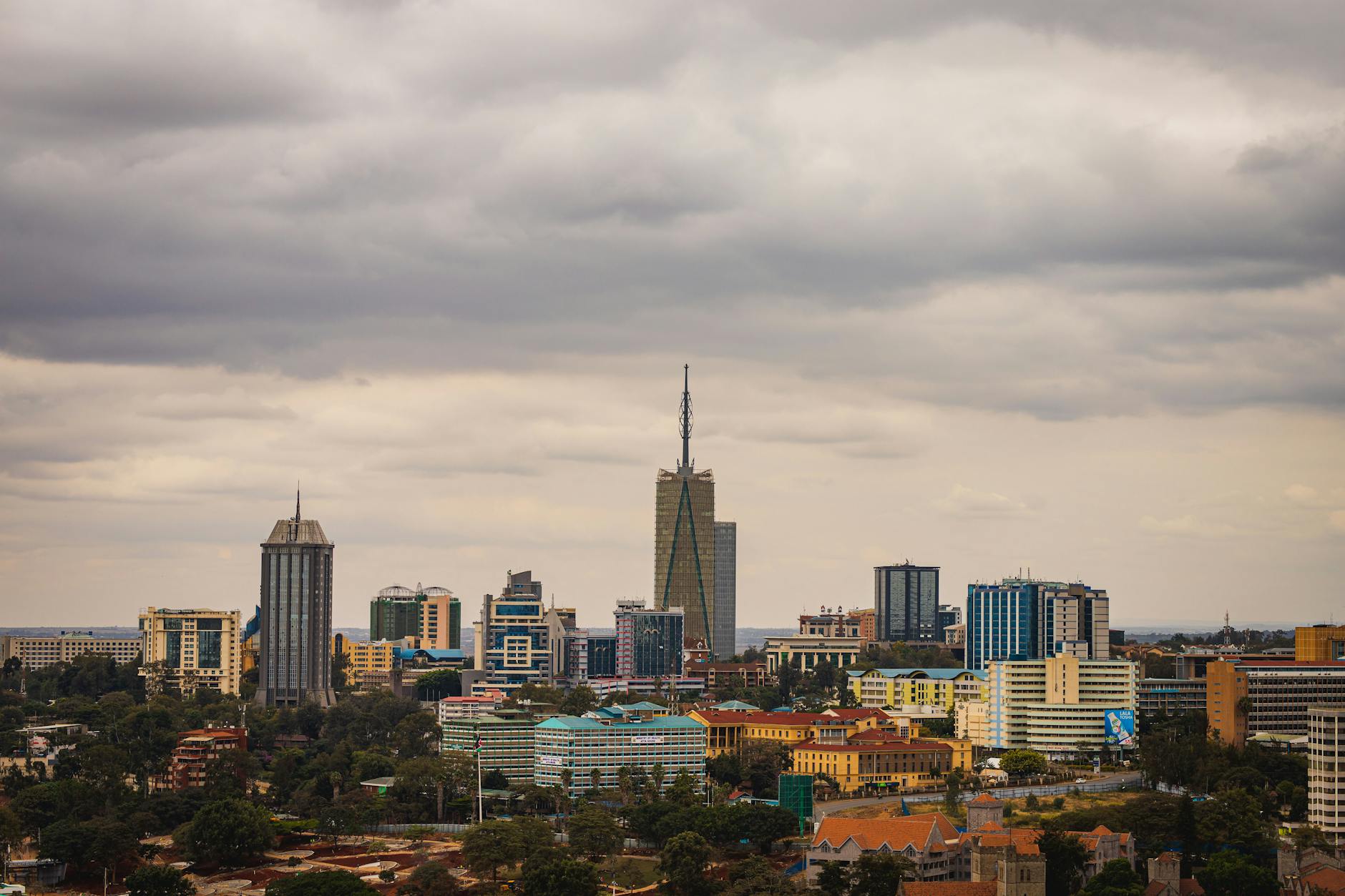
Kenya Welcomes Digital Nomads to Boost Tourism and Innovation
Kenya is actively courting remote workers and long-stay travelers, signaling a strategic shift to diversify its tourism sector and foster a new era of economic growth.